
Arterial Pulse

Pulse pressure: the difference between diastolic blood pressure (DP) and systolic blood pressure (SP) of the heart cycle (SP - DP) Normally: 30–40 mm Hg; Directly proportional to SV and inversely proportional to arterial compliance. Low/narrow pulse pressure due to ↓ SV (e.g., advanced congestive heart failure, shock, cardiac tamponade. Pulse As the femoral artery can often be palpated through the skin, it is often used as a catheter access artery. From it, wires and catheters can be directed anywhere in the arterial system for intervention or diagnostics, including the heart, brain, kidneys, arms and legs. The regular throbbing of the arteries, caused by the successive contractions of the heart, esp. As may be felt at an artery, as at the wrist. A single pulsation of the arteries or heart. A stroke, vibration, or undulation, or a rhythmic series of these. The prevailing attitudes or sentiments, as of the public. Stiffness of the body's largest artery, the aorta, is the leading cause of increased pulse pressure in older adults. High blood pressure or fatty deposits on the walls of the arteries (atherosclerosis) can make your arteries stiff. The greater your pulse pressure, the stiffer and more damaged the. Pulse (or the count of arterial pulse per minute) is equivalent to measuring the heart rate. The heart rate can also be measured by listening to the heart beat by auscultation, traditionally using a stethoscope and counting it for a minute. The radial pulse is commonly measured using three fingers.
Pulse pressure is measured by calculating the difference between the high and low readings on a blood pressure test. Wide pulse pressure (or high pulse pressure) can mean that you are at a greater risk of cardiovascular disease and hardening of the arteries. Abnormally low (narrow) pulse pressure can mean that your heart isn’t pumping enough blood.
Blood pressure and pulse pressure are measured in millimeters of mercury (mmHg). Generally, normal blood pressure readings should be 120 systolic blood pressure and 80 diastolic blood pressure. This is usually written as 120/80 mmHg and said as “120 over 80.” This would mean that your pulse pressure is calculated at 40mmHg and is considered normal.
Some of the wide pulse pressure causes include a buildup of plaque in the arteries, leaky heart valves, stress, or being overweight. The danger of a persistent increased pulse pressure is that it can cause damage to your arteries and puts your heart under greater stress. In many cases, making positive lifestyle changes to improve your heart’s health can affect pulse pressure and help to reduce wide pulse pressure.
In this article, you will find the answer to what it means if you have an increase in pulse pressure. You will also learn about the dangers of wide pulse pressure of 60 or more, or what you should do for pulse pressure of 20 or less. I will also look at medical research into ways to decrease widened pulse pressure.
What Does Wide Pulse Pressure Mean? Why Is It Important?
A wide pulse pressure can mean that you are at a greater risk of cardiac issues even though you may not have high blood pressure.
According to Dr. Sheldon Sheps who is a specialist in hypertension, a pulse pressure greater than 60 in older adults can indicate a risk of heart attack or other cardiovascular issues. This causes the main artery in your body (the aorta) to become stiff due to fatty deposits in your arteries or high blood pressure. Dr. Sheps explains that very often, a higher pulse pressure of 60 or more is connected with age as the arteries become less elastic.1
Therefore, widened pulse pressure is an important measurement when checking the overall health condition of your heart.
How to Calculate Pulse Pressure
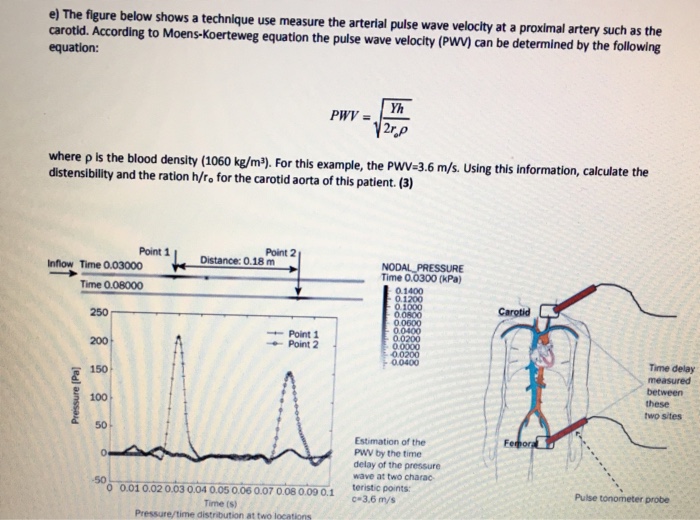
You can easily calculate if your pulse pressure is within the normal range by subtracting the higher number of your blood pressure readings (systolic pressure) from the lower number (diastolic pressure).
For example, a normal blood pressure reading of 110/70 mmHg would show that your pulse pressure is normal because it is 40. However, a high blood pressure reading of 140 mmHg systolic pressure over 70 mmHg diastolic pressure calculates pulse pressure at 70 mmHg.
What Are Low, Normal and High Pulse Pressure Levels?
Let’s look briefly at narrow, normal, and wide pulse pressure levels.
Normal pulse pressure. The normal pulse pressure range is usually between 40 mmHg and 60mmHg.
Low pulse pressure (narrow pulse pressure). Narrow pulse pressure can indicate that you have poor heart function. This is generally below 40 mmHg. For example, the Texas Heart Institute Journal reported that people with low pulse pressure of less than 35 mmHg and high heart rates were at greater risk of suffering a fatal cardiac arrest.2
High pulse pressure (wide pulse pressure). Pulse pressure can widen as the difference between systolic and diastolic blood pressure readings increase. Doctors say that pulse pressure over 60 mmHg is considered high. It was found that people who have mild heart failure (i.e., when the heart can’t supply enough oxygen-rich blood to the body), may be at a greater risk of not surviving a heart attack if they have high pulse pressure.2
High Blood Pressure Vs. Wide Pulse Pressure
When learning about the meaning of wide pulse pressure, many people wonder if they should be more concerned about high blood pressure readings or wide pulse pressure readings. Even though wide pulse pressure can be connected to high blood pressure, that isn’t always the case.
The Italian Heart Journal explains the meaning of blood pressure and its importance in cardiovascular health and its relationship to pulse pressure.3
- Systolic blood pressure measures the pressure in your arteries when your heart beats.
- Diastolic blood pressure is the pressure that blood exerts in your arteries between heartbeats.
- Wide pulse pressure increases when there is a loss of elasticity in the arteries, and depending on your blood pressure, wide pulse pressure can cause organ damage or lead to heart failure.
For example, a person could have very high blood pressure with readings of 160/120 mmHg, however, pulse pressure is 40 which is considered normal. However, there are many cardiovascular risks associated with high blood pressure, and you should take steps to lower your blood pressure even though pulse pressure is normal.
The American Heart Association says that high blood pressure is divided into various stages. These are as follows:6
- Normal blood pressure. Less than 120 mmHg systolic blood pressure and 80 mmHg diastolic pressure.
- Elevated blood pressure. Still considered normal, elevated blood pressure is between 120 mmHg and 129 mmHg systolic blood pressure with a diastolic blood pressure of lower than 80. If blood pressure is consistently elevated, you should take steps to control your blood pressure.
- Stage I hypertension. Systolic blood pressure 130-139 mmHg or diastolic blood pressure 80-89 mmHg.
- Stage II hypertension. Systolic blood pressure higher than 140 mmHg or diastolic blood pressure greater than 90 mmHg.
- Hypertension crisis. Systolic blood pressure greater than 180 mmHg and/or diastolic blood pressure higher than 120 mmHg. You should seek prompt medical help if you have a hypertension crisis.
Causes of Wide Pulse Pressure
Let’s look in more detail at the various wide pulse pressure causes and the health conditions that can affect the health of your heart.
Buildup of plaque in arteries (atherosclerosis)
Coronary heart disease caused by plaque that builds up in your arteries can cause widened pulse pressure. Narrowed arteries caused by plaque can result in your heart not being able to pump enough blood around your body.
According to the Journal of the American College of Cardiology, pulse pressure is affected by the amount of blood your heart pumps and your blood circulation. Cardiologists have found that a plaque buildup in the arteries increases pulse pressure.4
The National Heart, Lung, and Blood Institute say that other symptoms of atherosclerosis can include:5
- Chest pain or discomfort
- Squeezing pains in your chest that spread to your left arm
- Abnormal heartbeat (arrhythmia)
- Shortness of breath
- Lack of energy
Squeezing chest pains are one of the types of pain you should never ignore. You should always have chest pains checked out by a doctor, especially if you start getting new pains in your chest.
Leaky heart valves
Aortic regurgitation is sometimes referred to as leaky heart valves and can cause an increase in pulse pressure as your heart works harder to pump blood around your body. Aortic regurgitation occurs when some blood flows in a reverse direction back from the aorta into the left ventricle (chamber).
The journal Heart explains that aortic regurgitation results in increased pressure in the left ventricle. This causes the heart to increase stroke volume to continue pumping enough oxygen-rich blood to the body. This results in lower diastolic blood pressure and higher systolic blood pressure causing a greater wide pulse differential reading.7
According to the American Heart Association, leaky heart valves can cause some of the following symptoms:8
- Heart palpitations
- Shortness of breath
- Difficulty breathing when lying down
Aortic dissection
Doctors from the Mayo Clinic say that an aortic dissection occurs when part of the aorta tears and causes blood to flow between the layers of the aortic wall. This results in the layers of the aorta dissecting or separating. Uncontrolled blood pressure, plaque buildup in the arteries, or a defect with the arteries can cause an aortic dissection.9
An aortic dissection can cause widened pulse pressure along with sudden chest pains that feel like a jabbing sensation in your chest.
Director of Cardiothoracic Surgery at Christus Highland Medical Center, Dr. Mary Mancini says that wide pulse pressure or diastolic murmurs are often detected along with aortic dissections.10 Other symptoms of aortic dissections include:
- Mild to severe chest pains that come on suddenly
- Numbness and tingling in your hands or feet
- Flank pain if the kidney arteries are involved
- Abdominal pain if the abdominal aorta is involved
- Fever
Endocarditis
Endocarditis is an infection of the inner lining of your heart chamber and valves, and is one of the widening pulse pressure causes.
According to doctors from the Cleveland Clinic, bacteria or fungi in the bloodstream can spread to your heart, damaging the valves there. For example, prolonged use of antibiotics can cause Candida albicansfungal infections to infect the heart. Or, bacterial infections that get in through the skin can also cause endocarditis. The resulting damage to the heart causes it to work harder and thus widens pulse pressure.11
Other symptoms of endocarditis include:
- Night sweats
- Fatigue
- Aching joints and muscles
- Chest pain when breathing deeply
- Swollen feet or legs
In severe cases, sepsis can cause wide pulse pressure if it affects the heart and causes endocarditis.
Anemia
Anemia can be the result of chronic kidney disease and is another reason for wide pulse pressure along with other symptoms of anemia.
The journal PLoS One reported that sickle cell disease that affects the kidneys can also affect pulse pressure. Researchers found that kidney dysfunction increases pulse pressure and this, in turn, increases the risk of cardiovascular disease. Some people with kidney disorder also develop systolic hypertension.12
Some of the ways of protecting your body from the effects of anemia are to increase iron levels in your blood. Chicken liver, beef, and green leafy vegetables are all important sources of iron. Also, you should make sure that you don’t have a vitamin B12 deficiency.
Stress or anxiety
Being under extreme emotional or psychological stress can affect your heart function and cause higher pulse pressure levels.
The journal Frontiers in Psychology reported that one of the effects of stress is high blood pressure readings. Hypertension doesn’t just increase systolic and diastolic pressure but also widens pulse pressure. Unresolved stress can increase a person’s risk of developing cardiovascular and kidney diseases and can affect blood flow to the brain.13
Stress can also affect levels of cortisol in your body and cause sleep problems, digestive issues, and cause signs of premature aging. There are many natural ways to deal with stress better. For example, you can use essential oils to relieve anxiety and stress and also treat the symptoms of mild depression naturally.
Being overweight
Obesity and being overweight puts extra pressure on your heart and can cause a number of heart-related issues, including wide pulse pressure and high blood pressure.
A study published in the Journal of the American Society of Hypertension reported that individuals with a larger waistline and higher BMI had symptoms of wide pulse pressure. Scientists found that there was a direct relationship between high cholesterol levels, high blood pressure, weight, and pulse pressure. It was noted by the researchers that wide pulse pressure was an independent marker for congenital heart disease (a structural problem of the heart that is present at birth).14
At the end of the article, you can find some helpful ways to reduce elevated pulse pressure, lose weight, and improve the health of your heart.
Age
The aging process reduces elasticity in your arteries and is one of the causes of increased pulse pressure in the elderly.
According to a study published in the journal Cardiology Research and Practice, various factors combine in the aging process that increase arterial stiffness. This increases the workload of the heart and increases both blood pressure and pulse pressure.15
Relationship Between Wide Pulse Pressure and Heart Disease
Studies about the effect of pulse pressure on cardiac disease have found that low or wide pulse pressure can help predict the outcome of heart-related conditions.
The Journal of Hypertension reported that arterial stiffening causes systolic blood pressure to increase and diastolic blood pressure to decrease. The difference in the two readings shows elevated pulse pressure levels and can be an indicator of a person’s risk of myocardial infarction (heart attack).16
Also, the closer the gap between systolic and diastolic blood pressure readings indicates low pulse pressure. Researchers have found a link between mild to advanced heart disease and narrow pulse pressure and mortality after cardiovascular events.2
How to Treat Wide Pulse Pressure
Just as some negative lifestyle choices can affect pulse pressure negatively, you can also improve the health of your heart and normalize pulse pressure readings naturally. Let’s look at what you can do to lower wide pulse pressure.
Exercise
Regular physical exercise is one of the best ways to normalize wide pulse pressure and lower blood pressure naturally.
According to the Journal of the American College of Cardiology, cardio workouts and aerobic exercise training can help to lower pulse pressure. The effect of cardio training helps to strengthen your arteries and reduce arterial stiffness.17
In my article on how to transform your body with a 10-minute workout, you can find some exercises you can do at home to improve your cardiac health. You will also find that regular aerobic training helps to lower blood pressure naturally.
Omega 3
Consuming enough omega 3 in your diet or taking omega-3 supplements or fish oil can help to reduce widened pulse pressure and also boost your heart’s health.
For example, the American Journal of Hypertension reported that fish oil containing DHA (docosahexaenoic acid) and EPA (eicosapentaenoic acid) helps to reduce blood pressure. It was also found that omega-3 supplementation can also help to prevent high blood pressure.18 Other studies have shown a link between consuming omega 3 and lowering pulse pressure.
To find out food sources of omega 3, please read my article about the many reasons to consume more omega 3 fatty acids.
Diet (Weight Lose)
Arterial Pulses
Dieting if you are overweight or obese is a great way to reduce widened pulse pressure and reduce your symptoms of cardiovascular disease.
A study on the effects of diet and exercise on pulse pressure found that dieting can help to normalize elevated pulse pressure levels. Researchers found that after losing weight over a 3-month period, the participants of the study showed improved cardiovascular signs. Among them were lower pulse pressure, lower blood pressure, and lower BMI.19
If you need to lose weight quickly, please read my article on how to lose 30 pounds in a month. There you can find safe ways to shed extra pounds and reduce your amount of belly fat naturally. You can also try these 12 simple tweaks for weight loss, or you might just increase the number of steps you take in a day to lose weight and improve your cardio health.
Folic acid (Vitamin B9)
Another way to affect your pulse pressure is by supplementing your diet with folic acid. Folate or folic acid is part of the B-group vitamins and have a positive effect on your cardiac health.
The American Journal of Clinical Nutrition reported that folic acid can help to reduce artery stiffness and bring down levels of elevated pulse pressure. After a 3-week period of taking folic acid supplements, patients saw a significant reduction in wide pulse pressure. It was also found that folic acid helps to lower high systolic blood pressure.20
When to See a Doctor
High blood pressure or hypertension can have a damaging effect on your cardiovascular health. If left unchecked, high blood pressure can put you at greater risk of suffering a heart attack or stroke.
It is important to remember that the only way to know if you have high blood pressure or not is to get it checked. Dr. Arefa Cassoobhoy on WebMD says that if you have normal blood pressure (120/80 mmHg), you should get your blood pressure checked at least once a year. If you have high blood pressure, your doctor may recommend that you check your blood pressure regularly and make lifestyle changes.21
Extremely high blood pressure of over 180 mmHg (systolic) and/or 120 mmHg (diastolic) requires prompt medical attention and may be accompanied by the following symptoms:22
- Chest pain or a feeling of pounding in your chest
- A severe headache
- Irregular heartbeat
- Blurry vision
- Blood in your urine
Arterial Pulse Rate
Read my other related articles:
Medical Sources
- MayoClinic. What is pulse pressure?
- Tex Heart Inst J. 2010; 37(3): 284–290.
- Ital Heart J Suppl.2001 Apr;2(4):359-62.
- J Am Coll Cardiol.2001 Mar 15;37(4):975-84.
- NHLBI. Atherosclerosis.
- HeartOrg. Understanding blood pressure readings.
- Heart. 2006 Jul; 92(7): 994–1000.
- HeartOrg. Aortic valve regurgitation.
- MayoClinic. Aortic dissection.
- Medscape. Aortic dissection.
- ClevleandClinicMeded. Endocarditis.
- PLoS One. 2014; 9(12): e114309.
- Front Psychol. 2016; 7: 1682.
- J Am Soc Hypertens. 2012 Jul-Aug; 6(4): 277–283.
- Cardiol Res Pract. 2011; 2011: 263585.
- J Hypertens Suppl.1999 Dec;17(5):S21-4.
- J Am Coll Cardiol. 2001 Mar;37(4): 975-984.
- Am J Hypertens. 2011 Oct; 24(10): 1121–1126.
- J Clin Hypertens (Greenwich).2005 Aug;7(8):455-63.
- Am J Clin Nut. 2005 July;82(1): 26-31.
- WebMD. Know your blood pressure numbers.
- WebMD. Symptoms of high blood pressure.
As the left ventricle ejects blood into the aorta, the aortic pressure increases. The greater the stroke volume, the greater the change in aortic pressure during ejection. The maximal change in aortic pressure during systole (from the time the aortic valve opens until the peak aortic pressure is attained (see Cardiac Cycle) represents the aortic pulse pressure, which is defined as the systolic pressure minus the diastolic pressure. For example, if the systolic pressure is 130 mmHg and the diastolic pressure is 85 mmHg, then the pulse pressure is 45 mmHg.
Pulse Pressure = Systolic Pressure − Diastolic Pressure
The rise in aortic pressure from its diastolic to systolic value is determined by the compliance of the aorta as well as the ventricular stroke volume. In the arterial system, the aorta has the highest compliance, due in part to a relatively greater proportion of elastin fibers versus smooth muscle and collagen. This serves the important function of dampening the pulsatile output of the left ventricle, thereby reducing the pulse pressure (systolic minus diastolic arterial pressure). If the aorta were a rigid tube, the pulse pressure would be very high. Because the aorta is compliant, as blood is ejected into the aorta, the walls of the aorta expand to accommodate the increase in blood volume. As the aorta expands, the increase in pressure is determined by the compliance of the aorta at that particular range of volumes. The more compliant the aorta, the smaller the pressure change during ventricular ejection (i.e., smaller pulse pressure) (see figure). Therefore, aortic compliance is a major determinant, along with stroke volume, of the pulse pressure.
Summary:
Arterial Pulse Waveform Analysis
- A highly compliant aorta (i.e., less stiff, normal aorta) has a smaller pulse pressure for a given stroke volume into the aorta than a stiff, low compliant aorta.
- A larger stroke volume (not shown in the figure) produces a larger pulse pressure at any given compliance.
- Aortic compliance decreases with age due to structural changes, thereby producing age-dependent increases in pulse pressure.
- For a given stroke volume, compliance determines pulse pressure and not mean aortic pressure.
- However, because vessels display dynamic compliance, increasing the rate of ventricular ejection (as occurs with increased ventricular inotropy) will increase the pulse pressure compared to the same volume ejected at a lower rate.
Arterial Pulse Foot
Revised 12/7/16